Subscribe Us

Responsive Advertisement

Rich and sugary foods trigger our innate survival instinct. Can’t kick them? You don’t have to, according to science The first thing you nee...

ALL ABOUT CRAVINGS ALL ABOUT CRAVINGS


Rich and sugary foods trigger our innate survival instinct. Can’t kick them? You don’t have to, according to science


The first thing you need to know about food cravings? That nearly everything you know about them is wrong. Over the past several decades, well-meaning experts—and, yes, some profit-motivated diet peddlers—have told us cravings are something to be resisted at all costs. “Giving in” is not only harmful to one’s health, the story goes, it also shows a distasteful lack of willpower! The reality is quite the contrary, top researchers and dietitians report.


Food cravings are a natural part of humans’ strive to survive, says Mark L. Andermann, a neuroscientist who studies hunger and eating behavior at Harvard Medical School. “Your brain is programmed from birth to act as if there won’t be enough calories in the world,” he explains. Famine stalks countries such as Somalia and Sudan to this day. And even in the industrialized West, American colonists and European farmers were starving to death as late as the 18th century. Having evolved under a near-constant threat of undernourishment and starvation, “your brain tells you that you should eat high-calorie foods whenever possible,” says Andermann.


Fast-forward to the 21st century: Factory farming, mass food processing, and convenience culture give us access to hundreds of calories in a matter of seconds. But our “old brains haven’t caught up  to this new environment,” says Andermann, and these once-helpful eating urges are backfiring. That said, we don’t need to fear cravings, says dietitian Dana Notte, who specializes in treating women with lifelong weight struggles and is the owner of ThrivInspired Nutrition in Burlington, Vt. “The more we understand cravings and examine the roots of our drive to eat, the more we can actively choose what to do with those cravings and take better care of our bodies.”


YOUR CRAVINGS BRAIN 

Food cravings originate in the brain, not just your belly. Hormones, memories, sights, smells, emotions, thoughts, and signals between brain cells all influence what and how much you want to eat. For example, research shows that enticing images of food on billboards and TV trigger cravings and drive (over-)consumption, and these effects are even more pronounced when you’re hungry. Directly after a meal, these “food cues” lose much of their punch, at least in averageweight individuals, says Andermann. But people with obesity or binge-eating issues don’t experience that  same steep post-meal drop-off, suggesting that brain differences may be at least partly responsible for some people’s persistent cravings.


Internal physical cues kick off cravings, too, but not in the way you may think. “Generally speaking, we don’t have much evidence to support the idea that needs for specific vitamins or minerals trigger cravings for particular foods,” says Notte. “What we do see in nutrient deficiency is the body encouraging you to go out and seek more food in general to try to fill in the gaps.” Although you’re not more likely to crave steak for the iron, cravings for sugars and carbohydrates soar when blood sugar drops, such as when you skip meals. “Carbohydrates are the body’s preferred source of energy and the easiest to break down into glucose, so your body will seek them out when you need an energy boost,” she says. Intake of carbohydrates spikes when we’re sleep deprived.


Foods high in fat, sugar, and certain other additives also cause sudden spikes in dopamine in parts of the brain related to “reward” and pleasure, explains Miguel Alonso-Alonso, director of the Laboratory of Bariatric and Nutritional Neuroscience at Beth Israel


Deaconess Medical Center in Boston. Simply put, these “hyperpalatable” foods make us feel gooood in some of the very same ways that sex and drugs do. Whether sugar or any other food is literally, diagnosably “addictive” is still a matter of debate. What’s not: Reward signals in the brain can override cues like fullness in many people, contributing to overeating, weight gain, and, sometimes, addict-like behavior around food, he says.


That said, cravings and food preferences can change over time—especially if a person begins to eat a larger variety of nutritious foods. Try to focus on what you’re adding instead of what you’re considering  off-limits, says Notte. “Rather than approaching it as ‘I really need to cut out white flour,’ ask yourself what types of starches, such as whole grains and beans, you could add into your diet to bring more balance there. When we can bring more balance into our diet and meet our bodies’ overall needs, we do start to see that our cravings change.”


Giving in to every fatty, sugary food whim can cause weight gain, insulin resistance, and other negative health outcomes. But actively ignoring and suppressing cravings can backfire, leading to a restrict-andbinge cycle (otherwise known as yo-yo dieting) that contributes to some of the very same health problems. “Cutting a food out of our diets generally increases cravings for that food—thinking a food is off-limits makes us want it so much more,” says Notte. “It’s the scarcity effect. Cravings and overeating behaviors are, in part, related to perceived food scarcity and uncertainty about when it’ll be available again.” Indeed, researchers have found that when mice are deprived of food for several hours and then are given access to a sugary liquid, they binge on it—whereas animals with constant access to the sugar don’t. A similar rebound effect is seen in humans.


For most people with lifelong weight struggles, here’s how that cycle plays out: Restricting calories and food groups increases cravings for off- limits foods. After a month or three months or a year, when a person’s resolve breaks—as it nearly always does—he’s probably going to overeat those high- calorie foods, even binge. For some folks, this “rebound eating” can go on for days, weeks, or even months.


MINDFUL HABITS

For most of human history, cravings and constant food seeking helped us survive lean times. But the] modern foodscape is one of ubiquitous, cheap calories marketed to us by a $5 trillion food-retail industry. This is where the reasonable, prefrontal-cortex part of our big brains come in, says Andermann. We can tap this region to do three things: stop and notice cravings, decipher where they’re coming from, and choose how to respond. “When asked how they know when they’re finished with a meal, Americans say it’s when a TV show is over, or when their plates are empty—not when they feel full,” says Andermann. “The first step in changing any kind of learned action is mindfulness—paying attention.”


You might start by noticing what you’re doing when a hankering crops up. Habits are a powerful trigger for cravings, says Alonso-Alonso. Our brains like convenience and efficiency above all else, and “habits operate as behavioral shortcuts in daily life and are a preferred mode of making decisions with minimal effort,” he says. Shake up your routine as much as you can to create more of a pause between craving and action.


“Sometimes all you need is a moment to ask yourself if you’re truly hungry for this right now,” says Notte. You may realize that you’re tired and what you need is to turn off the TV and go to bed. Or perhaps you’re stressed, and the craving is more about soothing yourself than how yummy the food is. Folks with emotional- and binge-eating issues especially may crave certain foods as a kind of self-medication, says Andermann. Cognitive behavioral therapy (CBT) and dia lectica l behav iora l therapy (DBT) are both research-backed ways people with emotional cravings can gain more control over their eating behaviors.


Regular physical activity has also been linked to a greater ability to actively control eating behavior. Animal studies suggest it could be due to changes in blood flow, the release of certain brain chemicals such as feel-good endorphins, and better functioning of neurons, says Alonso-Alonso.


The answer to “Why am I craving this food?” may simply be that you want the pleasure of eating it. That’s OK, insists Notte. “Your ultimate goal should never be simply to not eat the food that you’re craving,” she says. Instead, the aim is to make a mindful and informed decision that balances your needs in the moment with what you want in the long term. “Food is a great pleasure,” she continues, “and humans are pleasure-seeking creatures. Sometimes just allowing ourselves to enjoy the food and then move on really is the best way to handle it.”

Reach for one of these hunger-busting picks, and you won’t find yourself reaching for a cookie an hour later 1. ARTIHOKES Artichokes are sup...

14 HEALTHY FOODS THAT KEEP YOU FULL 14 HEALTHY FOODS THAT KEEP YOU FULL


Reach for one of these hunger-busting picks, and you won’t find yourself reaching for a cookie an hour later


1. ARTIHOKES

Artichokes are super filling—in fact, they are one of the highest-fiber vegetables. A single boiled artichoke has 10.3 grams of fiber—almost half the recommended daily amount for women.


2. DARK CHOCOLATE

Dark chocolate contains monounsaturated fatty acids that could help speed up your metabolism, says Cynthia Sass, RD. “I love to chop dark chocolate into squares and add them into a smoothie.”


3. AVOCADOS

This heart-smart superfood is oh so satisfying: One study found that women who eat half an avocado at lunch might experience reduced food cravings later in the day. Sass recommends whipping avocado into a smoothie or mixing it with citrus to make a creamy salad dressing


4. BROCCOLI

A mighty source of calcium and important cancerfighting compounds, broccoli also has loads of filling fiber and has only 30 calories per serving. If this cruciferous veggie makes you bloat, steam it first to make it easier to digest.


5. EGGS

You might not think of them as a weight-loss food, but eggs are packed with protein, which helps curb your appetite. One study found that overweight women who ate eggs for breakfast lost twice as much weight as women who started their days with bagels.


6. QUINOA

Quinoa contains hearty doses of iron and magnesium, which help give your body energy. And a one-cup serving of quinoa boasts 8 grams of filling protein and 5 grams of fiber. Want more ways to use this grain? It’s delicious in a salad, in burger patties or pancakes, or baked into muffins.


7. ALMONDS

In one study, people who added a daily serving of them to a low-cal diet lost more weight than those who ate a carb-rich snack such as crackers.


8. GREEK YOGURT

Greek yogurt is an extremely satiating snack, with 17 grams of protein. Per a study in Appetite , people who ate a high-protein yogurt snack three hours after lunch felt fuller and ate dinner later than the other participants.


9. LENTILS

There’s a reason lentils are considered one of the world’s healthiest foods. With 13 grams of protein and 11 grams of fiber per serving, this legume will keep you feeling full for hours in between meals. They’re a great source of fat-burning resistant starch, too, with 3.4 grams in a half-cup serving. Lentils also boast twice as much iron as other legumes and are especially good sources of vitamin B and folate. 


10. POPCORN

Skip the buttery toppings, and popcorn is a healthy, filling snack. "In addition to all of the benefits of being a member of the whole-grain family, popcorn is light and airy, so you can eat a large portion0" says Sass


11. BANANAS

Bananas are a top source of resistant starch, which the body digests slowly. This helps you feel full, while encouraging the liver to switch to fat-burning mode.


12. CHIA SEEDS

Small-but-mighty chia seeds pack a serious fiber punch—4 grams per tablespoon—so when you add them to your favorite healthy foods, they’ll help ward off hunger


13. APPLES

Apples have pectin, which slows digestion and makes you feel full. Research shows eating a whole apple with your meal (versus drinking apple juice) is a naturally satiating choice.


14. OATMEAL

Oats are another great source of resistant starch. In one study, people who ate hot oatmeal for breakfast felt less hunger later in the day than those who ate more processed cold oat cereal.

What to do when evolution is working against you. Hint: being aware helps Tim Chambers was just shy of 300 pounds when a heart attack scare ...

HOW STRESS MAKES US WEIGHT GAIN HOW STRESS MAKES US WEIGHT GAIN


What to do when evolution is working against you. Hint: being aware helps


Tim Chambers was just shy of 300 pounds when a heart attack scare sent him to the ER. The web developer from Bethesda, Md., had been putting on pounds ever since he entered the working world and held a series of sedentary jobs at internet and computer-game companies. Sitting in the hospital—after fainting on the commuter train while heading home from work—was a “wake-up call” for Chambers, who had had limited success losing weig ht in the past. “I lost 30 to 40 pounds three or four times in a row,” says Chambers. “But then work would become stressful again, and the weight would come back, usually higher.”


Stories such as Chambers’s are familiar to Rachel Goldman, a Manhattan psychologist who specializes in weight management and stress reduction. When we are under stress, “our health behaviors are the first thing to go,” says Goldman. “We say, ‘I don’t have time to make it to the gym. I don’t have time to make healthy food.’ ” Our overscheduled, fast-paced lives often win out over our best intentions.


But research has uncovered a much deeper interaction, one that goes back to our oldest ancestors and shows how the very system designed to help them survive could be threatening our own health. For years, studies have shown a connection between high levels of the stress hormone cortisol in saliva, urine, or blood and being overweight, but a study published in 2017 presented some of the most compelling evidence that long-term stress is connected to being overweight. Sarah Jackson, a principal  research fellow in the department of behavioral science and health at the University College London, measured cortisol levels in hair. “By using hair samples to measure cortisol, we were able to get a better sense of average cortisol levels over a prolonged period,” says Jackson. Her research showed “a link between longer-term stress and weight, body mass index, waist circumference, and abdominal obesity,” says Jackson. “Exposure to this  hormone is associated with greater body fatness.”


Discovering how cortisol influences weight gain—and attempting to interrupt that process—is another important area of research and the life’s work of Pamela Peeke, an assistant professor of medicine at the University of Maryland School of Medicine, a Pew Foundation Scholar in nutrition and metabolism, and the author of The Hunger Fix. It all comes back to the fight-or-flight response.


Evolution designed our bodies to produce instant energy when we are under threat. Our bodies break down both fat and glucose from the liver to use as fuel and circulate it throughout the body “so that you’ve got everything you need to run or beat the hell out of a predator,” says Peeke. At the same time, our body is depositing fat in the safest place possible to have energy later—under our abdominal muscles. “It’s the most precious fat depot in the human body, and your body wants to protect it for survival,” she explains. After a fight for your life is over, your body is primed to replenish the calories lost during it, and “you get a cortisol-stimulated appetite to be able to refill the calories your body assumes you’ve expended,” explains Peeke.


It’s all a “beautiful response,” she adds. For a caveperson, that is. This system keeps them safe from danger and helps them enjoy berries after a long run away from a predator without gaining weight. For a modern-day desk jockey, the system is less helpful. Stressors like mounting deadlines and climbing interest rates leave us revved up and fist deep in the office candy bowl. And it becomes a vicious cycle: Your body stores more fat deep in your tissues—where it likes to stay put—and you end up eating more.


“What you have is fabulous primal software that is being used inappropriately in today’s 21st-century world,” says Peeke. “And we have so many metabolic consequences from that dysfunction, including the No. 1 disordered eating pattern—binge eating.”


What’s more, rather than living a life punctuated by the threat of a saber-toothed tiger, many of us live a life of lesser but continuous stresses. It’s something our bodies were not designed to handle. “When our body never gets out of that fight-or-flight mode, it becomes chronic stress,” says Goldman.


You may not realize the impact stress is having on you. “Most people are walking around with ridiculously high levels of stress hormones and don’t even know it,” says Peeke. And our body’s primal reward system pushes us toward one of two things to soothe itself: sex or food. Sex is scarce in our modern workaday world, but vending machines? Plentiful.


And here’s why we call the high-fat, high-calorie foods in them “comfort foods.” When we eat them, our cortisol levels decrease and we feel a sense of relief. In fact, says Peeke, “people who overeat under stress actually feel a drug-related anesthesia.” That sounds—and probably feels—pretty good. The problem is that it is short-lived, she adds: “You just ate a load of sugar, your insulin levels skyrocketed, and now you have all of these metabolic consequences.”


This kind of stress eating, which anyone can fall prey to, might lead to your typical middle-age weight gain of 20 to 30 pounds. But genetics and life experiences can turn stress eating into addictive eating, with much more serious weight and health consequences. There are many genes—ones related to addiction, metabolism, diabetes, depression, and anxiety—that factor into a propensity to overeat or gain weight. When they interact with negative experiences in childhood, the effect can be exponential. According to research from the Harvard Nurses’ Health Study, children who experience the chronic stress of abuse—verbal or physical—or have other traumatic incidents in their childhood are more likely to end up overweight or obese. Early on, says Peeke, they have few outlets to manage their stress, so they often turn to food, developing a brain-body feedback loop that can actually alter their genes’ messaging to predispose them to addictive eating.


In fact, the first study to examine the connection between child abuse and food addiction, published in the journal Obesity in 2013, found that for women, a history of any kind of abuse led to a 90 percent increase in the risk of developing a food addiction.


But lesser events can also put you at risk for stressrelated weight gain. “Stress is in the eyes of the beholder,” says Peeke. “The guy sitting at the desk with all those deadlines? In his brain, he is under ridiculous strain. You don’t need a building to fall on your head to develop addictive-like eating behaviors—they fall on a spectrum.”


And that spectrum is where Tim Chambers found himself after his health scare. “It is easy when you are stressed out to only worry about getting through that day,” says Chambers. “It’s very easy to have a shortterm mindset.”


Sitting in that hospital room, Chambers changed his. He decided to make three lifestyle changes that he could track every day—exercise, sleep, and food—to create a “chain” of healthy behavior. “If I would get enough sleep, get 10,000 steps, eat within my allotted calories, and go to the gym three or four times a week, that was not breaking the chain,” says Chambers. “I would try to go for the longest period I could without breaking it. If I did break it, I would just pick it back up again.” In two years, he lost 115 pounds, which he has kept off ever since.


Chambers’s four-point plan hits several of the suggestions Goldman gives her clients: “Water intake, food intake, movement, sleep, and stress.”


To reduce stress, Goldman recommends having at least three adaptive coping mechanisms that you can actually see yourself doing in times of stress—such as cooking, cleaning, deep breathing, calling a friend, taking a walk, or taking a bath. “If you are participating in daily coping mechanisms, it’s much easier to bring your stress level back to baseline,” she says.


For people who have a history of trauma, Peeke recommends finding a therapist—a psychologist or a licensed social worker—who has certifications in trauma-based work. It also helps to equip yourself with techniques that can fill in for that 20-minute run from the woolly mammoth. “One of the best things you can do to calm the storm—bar none—is meditation,” says Peeke. “We’ve done tremendous epigenetic studies, and what we’ve found is that regular meditators have a decrease in both the level of stress hormone as well as in the expression of inflammatory genes. The result is better control of overeating and weight gain. Literally, you dial it down. How cool is that?


“Go for meditative walks, meditative runs, bring on yoga. How about tai chi? Do the kinds of physical activity where you have a chance to get lost in it,” she adds. “When I’m in the pool doing laps, nobody is bothering me. It is exquisitely meditative.” That combo “will be able to reverse so much of what’s taking place in both your mind and body.”


But it won’t happen overnight, shares Chambers. “You have to have a sense that if I go for a really long walk right now or if I go to the gym and work rather than just eat, it will be better for me. What’s tough is that it’s not instant gratification like eating, but as you get through the things that are stressing you, and you look back, it helps you have more belief in it the next time.”


Chambers’s faith and patience have helped him create his own brain-to-body feedback loop, this time a positive one. He has kept the weight off, and he reports that while his “external stressors are about the same as they’ve always been, my management of them has been different than it has been my entire adult life.”


Scientists believe that men and women lose weight in different ways and at various rates. Stress and hormonal differences are just some thin...

THE GENDER DIFFERENCE ABOUT WEIGHT LOSS  THE GENDER DIFFERENCE ABOUT WEIGHT LOSS


Scientists believe that men and women lose weight in different ways and at various rates. Stress and hormonal differences are just some things that influence this process


As the saying goes, men are from Mars, women are from Venus, even when it comes to weight loss. For various psychological and biological reasons, women tend to have a very different relationship with food than men do. Take this example: For a 2009 study, researchers had a small group of men and women fast for 20 hours, then undergo brain scans while being presented with their favorite foods (like pizza and  chocolate cake). The volunteers were asked to smell and look at the foods, but not eat them. In the end, the researchers found that both men and women could stifle the urge to eat when asked to try, but only the men showed an actual decrease in activity in the motivation centers of their brains.


In other words, unlike the men’s brains, the women’s brains were still driving them to indulge. Scientists say this could be due to hormonal  differences, or simply that women are hardwired to eat when food’s available because they need more body fat than men do. Women also tend to have a different relationship with their bodies, and often have different reasons for gaining weight in the first place (hello, baby weight!). In my practice, I’ve counseled plenty of people of both genders working hard to shed pounds, and I’ve found that some tactics seem to work for men but not women and vice versa.


Gender differences aren’t true across the board; everyone is different. But with that caveat, here are four ways women differ from men when it comes to weight loss, plus the strategies that are particularly important, specifically for women.


HOW THEY THINK AOBUT THE SCALE

Many (not all) of the men I work with are pretty objective about the number on the scale, and view it simply as a piece of data. For many women, however, an increase, no change, or not enough of a decrease can trigger feelings of frustration, anger, or depression, leading to a loss of motivation. If that’s true for you, banish the scale.


The truth is weight fluctuations are normal, no matter how much you weigh. And you could be losing body fat but still seeing no change on the scale because you’re more hydrated or gaining muscle. The bottom line: You’ve got to focus on the pattern over time. You know your body better than anyone, so use other means of assessing how well you’re doing, including not just how you look and how your clothes fit, but also how you feel (more energy, better  mood, predictable hunger, and so on).


HOW THEY HANDLE STRESS

One of the top weight-loss derailers for women is emotional eating. It can be true for men as well, but in my experience, there is a definite disparity. One reason is that many men I work with have habitual activities that help them cope with stress, like playing golf or video games.


But many of the women I counsel either don’t have regular ways to blow off steam or their usual outlets revolve around eating or drinking (example: girls’ night). If food has become your go-to way to either disconnect from intense emotions or cope with them, no amount of willpower is going to break that pattern. The key is finding other healthy ways to address emotions so you won’t need chips, chocolate, or a sugary cocktail. What works for one person may not work for another though, so try different things (meditation, art, crafts, music, writing) to find your non-food escape. This may be the single most important strategy for long-term weight-loss success.


THE KIND OF SUPPORT THEY NEED

On a similar note, I find that support can make or break weight-loss success, particularly for women. Many of my female clients feel that their significant others or family members not only don’t lend support, but sometimes subtly sabotage their healthy efforts (just have a bite, let’s order a izza). Most women really need someone in their corner who gets it, cheers on small successes (like not giving into emotional eating), and isn’t  going to talk them out of continuing on a healthy path. It can be a professional, a friend, or even someone you connect with online through social media who has a similar goal. If you’ve had a challenging day and need a pep talk, having someone at the ready to turn to can allow you to hang in there and keep on keeping on.


THE ALL-OR-NOTHING APPROACH

While it’s generally not true for men, many women I counsel tend to have an all-or-nothing approach to weight loss, meaning one “cheat” meal or day leads to throwing in the towel. But deep down they know that it’s not realistic, or even necessary, to go through life never eating dessert or a French fry.


The best solution, I find, is to plan splurges in advance. For example, if you’re going to a restaurant that serves one of your favorite desserts, order a healthy meal of lean protein and veggies to make room for it, then savor it, stop when you feel satisfied, and move on, without guilt. One of my clients recently followed through with this tactic, and while she reported that it felt weird compared to her usual pattern of eating perfectly or going all out (drinks, bread, dinner, dessert), she felt great afterward (satisfied but not stuffed), her clothes weren’t tighter the next day, and she said it felt like a lifestyle, not a calorie bingo!


If you’re a woman, some of these may not hold true for you. If that’s the case, I do think it’s important to know what helps you boost your personal stick-with-it-ness. Regardless of your gender, understanding that is an important key to losing weight successfully, and keeping it off for good.

1810–1820s: VINEGAR AND WATER DIET Romantic-era poet Lord Byron believed that obesity causes lethargy and stupidity, so he hopped onto the V...

FADS DIETS: THE GOOD, THE BAD, THE RIDICULOUS FADS DIETS: THE GOOD, THE BAD,  THE RIDICULOUS


1810–1820s: VINEGAR AND WATER DIET

Romantic-era poet Lord Byron believed that obesity causes lethargy and stupidity, so he hopped onto the Vinegar and Water Diet, according to the book Calories & Corsets. It’s as appetizing as it sounds: water mixed with applecider vinegar. And to the present day, some people claim this method burns fat.


1925: CIGARETTE DIET

The roaring ’20s introduced its own dubious diet plan: smoke your way slim. A Lucky Strike cigarette ad campaign advised to “reach for a Lucky instead of a sweet” and “to keep a slender figure . . . reach for a Lucky.” It’s hard to imagineany advice worse than that.


1950s: CABBAGE-SOUP DIET

This plan promised you could lose 10 pounds in seven days by living largely on—you guessed it—cabbage soup. (On certain days you could eat things like apples and beef.) Reality check: Any more than one or two pounds of lost weight per week is water weight, not fat.


1963: TaB DEBUTS

It wasn’t the first diet soda (Dr Pepper had one a year earlier), but Coca-Cola’s TaB was the first diet drink to hit big. Although TaB is still on the market today, diet-soda sales in general have fizzled, as science has shown diet soda can actually trick your body into craving sugar.


1972: THE ATKINS DIET CATCHES ON

The high-protein-diet craze began with the publication of a book called Dr. Atkins’ Diet Revolution. Atkins, a cardiologist, preached that severely limiting carbs causes the body to burn fat. While his diet is still popular, most experts recommend a more moderate approach to limiting simple carbs.


2004: THE BIGGEST LOSER MAKES WEIGHT LOSS MUST-SEE TV

As America became more health conscious, The  Biggest Loser made riveting TV out of facing off to get fit. The show—criticized for encouraging contestants to lose weight too fast—lasted 17 seasons and made Jillian Michaels a household name.


2006: BEYONCÉ AND THE MASTER CLEANSE

To lose 20 pounds fast for the movie Dreamgirls, Beyoncé reportedly went on the Lemonade Diet (foreshadowing, perhaps?). Also known as the Master Cleanse, it involves downing a concoction of hot water, lemon juice, maple syrup, and cayenne pepper several times a day, plus a laxative tea at night.


2010s: PALEO DIET

In his book The Paleo Diet, Dr. Loren Cordain urged people to stick with Paleolithic-era food groups—meat, seafood, fruits, and vegetables—and skip foods created through modern farming practices, like grains and dairy products. This diet has been criticized for eliminating grains, which are high-fiber and linked to weight loss.


2009: THE DAD BOD

Describing a man in married-life mode and “softly round,” the term “dad bod” made it into the Urban Dictionary. The nickname’s popularity suggests that men getjudged for their bodies too—and that there is something appealing about a more attainable physique.


2016: ASHLEY GRAHAM SPORTS ILLUSTRATED COVER

People of all sizes cheered when Ashley Graham—a stunning, fit, size-16 model—appeared on the cover of Sports Illustrated’s swimsuit issue. She also landed fashion-magazine covers, reminding the world that beauty is not one-size-fits-all.


2018:WEIGHT WATCHERS BECOMES WW

As fewer Amer icans go on diets, Weight Watchers rebranded itself as WW with the slogan “Wellness That Works.”

Some fat can improve our metabolism. Another type can wrap around the heart. Discover how body fat can help and harm our health Let's fa...

THE DEFINITIVE GUIDE TO BODY FAT THE DEFINITIVE GUIDE TO BODY FAT


Some fat can improve our metabolism. Another type can wrap around the heart. Discover how body fat can help and harm our health


Let's face it: Fat has gotten an unfortunate rap. We curse the dimpled cellulite that has settled on our thighs and survey the pudge around our belly with a quick poke and a disapproving eye. But here’s the thing: Fat isn’t just a place where your body dumps extra calories. It’s an organ that can help, or harm, your health. (One type, brown fat, can actually turn your body into a calorie-burning machine!) “Everyone has fat, even Olympic marathon runners,” says Osama Hamdy, medical director of the Obesity Clinical Program at Harvard University’s Joslin Diabetes Center. “Simply put, we need it to survive.” The trick is understanding the differences between the kinds of fat and keeping them in balance with diet, exercise, and some common sense.


ABOUT SUBCUTANEOUS FAT

WHERE IT IS: Directly underneath your skin. Subcutaneous fat can be anywhere: not just in your belly and butt but also your arms, legs, even your face.


WHAT IT DOES: In addition to storing energy and providing essential padding for your body, it has another important job: It generates the hormone adiponectin, which helps regulate insulin production. “Paradoxically, the fatter you are, the less adiponectin you produce,  which means that your body has trouble regulating insulin, increasing the risk of heart disease and diabetes,” Hamdy says.


HOW TO GET RID OF IT: Cutting calories is crucial for overall weight loss, but getting moving counts too: Women who walked, cycled, or took public transportation to work had about 1.5 percent less body fat than those who drove, according to a U.K. study. “It’s proof that those little bursts of activity count when it comes to burning fat,” notes Pamela Peeke, the author of Body for Life for Women. “Even just walking from the train station or bus to your office can burn on average an extra hundred calories.”


Already active? Ramp it up. “When you take your workout up a notch, you reach VO2 max—that’s the level of exertion where you have the optimal breakdown of body fat,” Peeke explains. “It also fools your body into thinking that you’re working out minutes after you’ve stopped, so you’re still burning calories.”


VISCERAL FAT

WHERE IT IS: Nestled deep within your belly, where it pads the spaces around your abdominal organs. You can’t feel or grab it.


WHAT IT DOES: Visceral fat has been dubbed “toxic” fat for a good reason: “It secretes inflammatory proteins called cytokines that affect insulin production and increase inflammation throughout the body, which raises the risk of developing type 2 diabetes  and heart disease,” Hamdy says. You can’t directly measure visceral fat unless you undergo an MRI or a CT scan.


The next best thing? Grab a tape measure and wind it around your waist; for women, if your midsection is more than 35 inches, you most likely have too much visceral fat, Hamdy says. A Mayo Clinic study published in 2014 found that Caucasian women with waist sizes above 37 inches were more likely to die from heart or respiratory disease.


Another sign of trouble appears when your numbers are off, meaning you’ve got low HDL (good) cholesterol and elevated blood glucose and triglyceride levels. “When a woman who has been lean most of her life gains 10 to 20 pounds at age 40 or so, she may not even be technically overweight, but it’s usually visceral fat that’s adding the extra weight,” explains Caroline Cederquist, a bariatric physician in Naples, Fla., and the author of The MD Factor Diet.


HOW TO BLAST IT OFF: “To mobilize visceral fat, a balanced diet is essential,” Cederquist says. “Eat lean protein throughout the day while controlling your carb and fat intake.” For keeping visceral fat off, cardio is the way to go: a 2011 Duke University study found that regular aerobic exercise, the equivalent of jogging about 12 miles a week at 80 percent maximum heart rate, was the best workout for losing visceral fat in particular.


BROWN FAT(A.K.A GOOD FAT)

WHERE IT IS: Mainly around your neck, collarbone, and chest. For years, researchers assumed that it was present primarily in infants, helping to keep them warm, and that it gradually disappeared during childhood. But in 2009, studies revealed that some adults still have brown cells.


WHAT IT DOES: This buzzed-about “good” fat becomes metabolically active when we’re exposed to cold temperatures, burning up energy. “Since brown fat is used to generate heat, it burns more calories at rest,” says Ruth Loos, a professor of personalized medicine at Mount Sinai Hospital in New York City as well as codirector of Mount Sinai’s Charles Bronfman Institute for Personalized Medicine. Fifty grams (about 4 tablespoons) of brown fat, if maximally stimulated, could torch about 300 calories a day.


HOW TO BEEF IT UP: Since brown fat is activated by cold, prepare to shiver. According to a study in Cell Metabolism, folks who spent 10 to 15 minutes in temperatures below 60 degrees produced a hormone  called irisin, which appears to make white fat cells act like brown fat; they got a similar boost from an hour of moderate exercise at warmer temperatures. And keep your thermostat low: an Australian study showed that men who lived in homes set to 66 degrees generated 40 percent more brown fat than when they lived in higher temperatures.


ABOUT BODY-FAT PERCENTAGE

The best way to determine whether you’re carrying too much flab is to check your body-fat percentage. A healthy range is between 20 percent and 25 percent for young women and up to 30 percent after age 50, Peeke says. Skip the skin calipers (they pinch the skin around your upper arm, thigh, and stomach); results can be off by as much as 5 percent. Peeke’s recommendation: an at-home bioelectrical impedance scale, which sends an electrical current through your body and measures how fast it returns. Other methods, such as underwater weighing (you’re dunked into a pool to measure your body fat) and DEXA scans (which use an X-ray to determine body composition, including body fat, lean muscle, and bone density), are more accurate, but you’ll have to go to a health clinic to get measured.


CELLULITE EXPLAINED

Skin dimples happen when subcutaneous fat cells collect in pockets and push against the connective tissue under your skin. You can minimize their appearance by staying at a healthy weight and doing strength-training moves (more muscle equals tauter skin). Caffeine-infused creams (such as Clarins Body Lift Cellulite Control) can temporarily de-puff fat cells for a smoother look.


THE DANGER OF ECTOPIC FAT

Ectopic fat has the same metabolic properties as visceral fat, but instead of padding your abdominal organs, it settles in your heart, liver, pancreas, and muscles. “Most of us have only a few pounds of ectopic fat,” Hamdy says. “Even so, it’s dangerous because it’s inside vital organs and can increase the risk of heart disease, liver damage, and type 2 diabetes.”


The only way to tell if you have ectopic fat is by getting an MRI or a CT scan. One key way to avoid this problem is to stay active. The more you sit, the more likely you are to have this fat around your heart, according to a University of California, San Diego, study.


HOW ACTUALLY BURN OFF FAT

RESISTANCE TRAIN: A strength workout that incorporates high-intensity interval training (HIIT) will help burn calories and fat stores at a higher rate than one done in straight sets, says trainer Gunnar Peterson. The drill: Do eight repetitions of different types of body-weight-resistance activities (chin-ups, squats, burpees, etc.), alternating 20 seconds of work with 10 seconds of rest.


REST: Yet another benefit of getting a good night of sleep: A Brigham Young University study found that women who slept between eight and eight and a half hours a night had the lowest levels of body fat. Why? Lack of sleep can wreak havoc on hormones that control fat metabolism. If you have trouble getting a solid seven or eight hours of rest, try shutting down your devices at least one hour before bedtime. Also make sure your room is dark; light from alarm clocks and the street can interrupt sleep.


RELAX: Doing yoga can reduce cortisol levels—high levels of the stress hormone have been linked to belly fat. In fact, obese postmenopausal women who practiced yoga for 16 weeks reported significant reductions in visceral fat, according to a Korean study.


HOW AGE FACTORS IN

CHILDHOOD: The number of fat cells you have is set early on, so you don’t actually get more of them when you gain weight. Instead, those fat cells swell as triglycerides (i.e., fatty acids) are stored in them. If enough fat cells expand in size, your body begins to, well, expand too. Boys tend to be born with more fat cells in their belly, while girls are born with more fat cells in their hips, thighs, and butt, in preparation for storing fat during pregnancy.


ADOLESCENCE: Between ages 9 and 19, the volume of fat in girls more than doubles, due in part to a surge of the female hormone estrogen. “Your body starts producing estrogen in preparation for having a baby and nursing years down the road. That estrogen helps fuel the growth of fat cells,” Peeke says.


POST-PREGNANCY: There’s a reason it is so difficult to shed that extra fat after having a baby. It’s a throwback to our caveperson days, says Peeke. “It’s reserve storage for the demands of breastfeeding,” she explains. This helps ensure that new mothers can feed their babies in times of famine. So even though breastfeeding burns about 500 calories a day, your body is hardwired to hold on to some fat deposits, and you may not lose those last five or 10 pounds until after you wean.


MENOPAUSE: Until this point , most women still store fat around their lower half , but once they go through menopause, their fat-storage patterns mimic men’s, which means putting on weight around their middle.


CAN YOU BE HEAVY AND HEALTHY?

Some research suggests yes, but the answer isn’t entirely clear yet. A 2013 study found that although overweight people may have a higher life expectancy than normal-weight people, they spend those years in poorer health.


“While certain types of fat, particularly subcutaneous fat, may not have the impact on your heart that visceral fat does, they can affect your quality of life,” Peeke says. “If you’re heavy, you’re more likely to develop osteoarthritis or just have trouble moving around.” A 2021 study found that participants with obesity were more likely to have high cholesterol, diabetes, and high blood pressure compared to participants at healthier weights.


THE BEST FAT-FIGHTING FOODS

DAIRY: People who consumed more dairy while on a low- calorie diet lost two and a half more pounds of fat than those who didn’t, according to a review published in the International Journal of Obesity.


PROTEINS: Research has shown that people lose more visceral fat on a lower-carb, higher-protein diet than they do on a low-fat diet that’s high in carbohydrates, Hamdy points out.


OATMEAL: For e very 10-gram increase insoluble fiber consumed per day, visceral fat was reduced by 3.7 percent over five years, according to a study at Wake Forest University in Winston-Salem, N.C.


OLIVE OIL: Recent research has found that unsaturated fatty acids found in olive oil are likely more beneficial than saturated fats when it comes to healthy weight maintenance.


FATTY FISH: Omega-3s (found in salmon, tuna, mackerel, and sardines, as well as flaxseed and walnuts) may help reduce abdominal fat. And—bonus!—they may be protective for your heart too.

There’s no quick fix or miracle plan for weight loss, despite trendy diets and social media influence. Experts debunk these practices, as we...

WHY FAD DIETS FAIL  WHY FAD DIETS FAIL


There’s no quick fix or miracle plan for weight loss, despite trendy diets and social media influence. Experts debunk these practices, as well as what actually works


What do you think of when you think of a fad diet? Many people probably think of old-school fads like eating nothing but grapefruit all day, drinking gallons of cabbage soup, or stocking up on meal-replacement shakes. But really, fad diets aren’t all so gimmicky—and there’s a chance you’ve probably tried one before. According to the Cleveland Clinic , “fad diets are plans sold as the best and fastest approach to losing weight.” Many of today’s popular diets fit this bill, although they send mi xed messages. On the one ha nd, they promise to be miracle solutions for quick weight loss. On the other hand, they claim to be holistic and sustainable approaches.


But no matter how differently fad diets market themselves, there’s one thing that they all have in common: They might lead to quick weight loss, but theylargely fail in the end. Here is a little more about why fad diets aren’t really the miracle cures they promise to be—and why you should steer clear.


Reason #1: No fad diet is truly unique

Anyone who’s been paying attention to popular diets for more than a few years has probably noticed that every new fad diet is really just a recycled and repackaged version of an old diet—and yet, each one claims to be special and unique.


Some diets, for example—like the F-Factor diet, which caused a bit of controversy in 2020—focus on increasing the amount of fiber in your diet. In general, it’s sound advice, but loads of other reputable health organizations—like the U.S. Department of Agriculture, the American Diabetes Association, the American Heart Association, the Institute of Medicine, and the Academy of Nutrition and Dietetics—also recommend fiber-rich nutrition. Other eating plans tout their own uniqueness—despite sharing similar traits. The Dukan Diet, for example (which was named 2021’s worst diet, according to US News and World Report) recognizes that “95 percent of people who diet gain all the weight back... and more when they return to their old eating habits,” according to the diet’s website—but goes on to say that the Dukan Diet specifically “will redesign your eating habits and help you permanently stabilize your weight.”


Of course, those are only two examples of a laundry list of fad diets that share similarities. But it goes to show that most fad diets rely on nutrients to include or exclude, specific programming consideration to follow, and the claim that their program works better than others—all of which actually unites them.


Reason #2: No one nutrient is better than another

Speaking of nutrients, another thing many fad diets have in common is that they vilify certain foods or nutrients while glorifying others. In fact, most diets tend to focus—either negatively or positively—on a select few nutrients. But dietitians warn against this type of thinking.


“Our bodies need a variety of foods,” says Shana Minei Spence, MS, RDN, a dietitian based in New York City. She explains that different foods have different macronutrients (carbs, fat, and protein), vitamins, and minerals, and that variety is what keeps us healthy. Carbs break down into glucose, our body’s primary source of energy, and often come with fiber that keeps our digestive systems working properly. And “we need protein for our muscles and fat for organ protection and nutrient absorption,” Spence says.


Most of today ’s fad diets ta ke a low-carb and high-protein approach. But really, the evidence shows that low-carb, high-protein diets aren’t any more effective for weight loss than low-fat diets. A 2018 review of the existing evidence published in the journal Healthcare finds that limiting certain macronutrients isn’t more effective for weight loss in the long term than just eating fewer calories. Low-fat diets, low-carb diets, and high-protein diets all lead to about the same amount of weight loss over a 12-month period. Study participants on these diets are also more likely to drop out of a study over the course of a year than those on diets that just focus on eating fewer calories, because these diets are harder to stick to.


Reason #3: Fad diets often sell products

Many, many diets sell snacks and ready-made meals to go along with their eating plans—that includes, but isn’t limited to, the South Beach Diet, the F-Factor diet, Atkins, and even Whole30. It seems easy and accessible, but here’s the thing: Anyone who creates a fad diet  and sells products is also making a lot of money. The U.S. weight-loss market is worth $72 billion, so there’s real financial incentive to create fad diets that sell books and products.


On the other hand, evidence-based advice like eating more nutritious foods and fewer processed ones doesn’t lead to massive profit—but it is a better route if you’re looking for results. In a review of the Optavia diet for Health magazine, Cynthia Sass, RD, MPH, points out that the amount of processed foods and snacks offered by this and similar diets is problematic since it prevents people from having healthier fresh food options. “Processed diet products also contain common allergens,” she said, adding that soy is a prevalent allergen found in those types of foods. Diet snacks also tend to use intense sweeteners, like monk fruit and stevia, and in turn, may disrupt appetite regulation or make natural foods taste less sweet, she said.


Reason #4: Restrictive diets are unsustainable

Search #keto on Instagram and you’ll find thousands of people who claim that the diet has helped them lose huge amounts of weight in a short period of time. That’s likely true: Research shows that people often lose up to 10 pounds in their first two weeks on a keto diet (high-fat, moderate-protein, very low-carb). But long-term compliance is extremely difficult, and weight loss tapers off after these first few weeks. The same is true for all restrictive fad diets. “Diets always start off as exciting because people are thinking that this is the answer for them,” Spence says. “The excitement wears off quickly, especially when people realize how little they are ‘allowed’ to eat.”


There’s evidence to back this up. A 2020 metaanalysis published in the British Medical Journal looked at 121 weight-loss studies and found that the vast majority of people on any weight-loss diet typically lose a significant amount of weight after six months, but regained most of that weight in the next six months. And while compliance is a factor, it’s not the only one. A 2015 review published in the International Journal of Obesity explains that your body actually resists weight loss by burning fewer calories, increasing production of ghrelin (a hormone that makes you hungry), and decreasing production of leptin (a hormone that makes you feel full).


Ultimately, there are so many factors that contribute to your weight and whether or not long-term weight loss is possible. Most weight-loss studies last 12 months  or less, so it’s hard to know how many people are actually able to lose weight and keep it off. Another consistent finding in the research is that the sustainability of a diet is a better predictor of success than anything else—a 2014 review published in JAMA looked at 59 weight-loss studies and concluded that the most successful diet is any diet that a person can stick to longterm. That might look different for each person, but sustainable diets have a few things in common. In the aforementioned 2018 review in Healthcare, the authors came to a simple conclusion: “A healthy diet is a varied diet rich in fruits, vegetables, whole-grain products and  high-quality proteins and poor in added sugar, refined grains, and highly processed foods,” adding that people who eat this way find it easier to control their weight.


We live in a diet- and weight-obsessed world. It’s natural to want to believe that the next fad diet will be The One, even if you know deep down that they’re all selling the same thing. Instead of falling victim to the next plan that comes along, remember that nutrition science is already very clear on what a healthy, sustainable diet looks like: plenty of fruits, vegetables, whole grains, nuts, seeds, and legumes, and limited added sugar, saturated fat, and processed food.

Focusing solely on calories leads to restriction and feelings of guilt about mealtime. Here’s what actually works. Your new fad diet isn’t w...

BEYOND COUNTING CALORIES  BEYOND COUNTING CALORIES


Focusing solely on calories leads to restriction and feelings of guilt about mealtime. Here’s what actually works.


Your new fad diet isn’t working. The number on the scale hasn’t budged in weeks, and you’re starting to burn out—you can’t imagine eating another sad salad at your desk. All this calorie counting and restriction seemed to work in your favor at first, but lately, you want to throw out all the rules and hide out in the pantry. So you ditch the diet, only to restart the whole cycle a few months later.


If you find yourself hoping to lose weight but totally frustrated with the process, you’re not alone. A 2019 study by researchers from Columbia University surveyed nearly 500 women, 73 percent of whom reported losing and regaining a minimum of 10 pounds at least once. Other women said they’d lost and gained weight back up to 20 times in their lives.


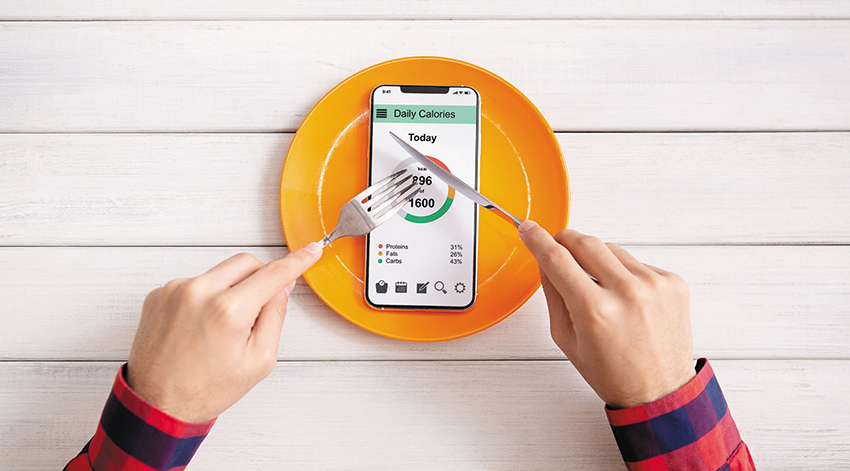
Of the 17 percent of adults who report being on a “special diet,” most follow the same protocol: calorie restriction. While you’d be hardpressed to find a weight-loss program that doesn’t spit out a daily calorie goal to follow, more and more studies suggest restrictive dieting isn’t just frustrating; it’s also not a realistic way to reduce weight or ensure long-term health. According to a 2020 study in the British Medical Journal, many of the most popular diet programs can lead to initial weight loss—but almost all the positive effects people experience disappear after a year


That’s why many doctors and nutrition experts encourage a more holistic approach: a balanced, nourishing eating plan that includes all food groups, accompanied by a healthy, active lifestyle. Weight loss may come a bit slower when you’re not crunching the numbers, but as you throw calorie counting to the wind, you’ll enjoy the benefits of long-term health— and you can still enjoy your dessert.


WHY FAD DIETS FAIL


The premise of most traditional weight-loss diets is the same: Cut calories to shed pounds. Scientifically speaking, the approach makes sense: The body needs to burn more calories than it consumes to lose weight.  Theoretically, if you cut 3,500 calories a week, you could lose a pound during that time period; the greater the restriction, the more you could lose.


While this approach may work at first, experts say weight loss is more complicated than meticulously logging everything you eat. Jessica Shapiro, RD, CDN, associate wellness and nutrition manager at Montefiore Health System in New York City, says a person’s individual genetics , metabolism , gut bacteria, stress levels, and even sleep routine can all impact their weight (and the ability to lose it). Food choices play another important rolr in weight loss. According to Shapiro, not every calorie you consume is created equal. For example, a cup of blueberries and 13 gummy bears contain about the same number of calories. But while blueberries contain vitamins, fiber, and antioxidants, candy is totally devoid of important nutrients. Plus, because berries contain fiber, the body burns through the sugar content more slowly, allowing you to stay satiated longer. Simple sugars, like candy, cause blood sugar to spike and fall—and once your blood sugar levels plummet, you’ll only crave and eat more sugar, which could interfere with weight-loss goals (and potentially increase your risk for type 2 diabetes).


Even if your calories are mostly nutrient-rich foods, eating too few calories could be counterproductive, triggering your body to hold onto weight instead of  losing it, says Laura Bridge, MD, an internal medicine specialist at the Ohio State University Wexner Medical Center. The human body evolved to survive when food choices were slim, so Dr. Bridge says a state of deprivation can signal a person’s metabolism to slow down so the body holds onto calories and fat.


There’s an important psychological component at play, too. Restricting food groups or calories can incite a counterproductive pendulum swing. “If you tell yourself you can’t have something, chances are, you’ll give into cravings, eat more than you want to, feel guilty, and repeat the cycle,” says Garrett Swisher, RD, LD, a registered dietitian at Indiana University Health.


Along with deterring weight loss, weight cycling can negatively impact long-term health. For example, the 2019 study from Columbia found women who practiced “yo-yo dieting” had more risk factors for cardiovascular problems. Limiting what you eat could also put you at risk for malnourishment. Carolyn Kaloostian, MD, MPH, a family medicine specialist with Keck Medicine of the University of Southern California, says if a patient follows a restrictive eating plan, she worries about their vitamin and mineral intake.


Then, there are the mental effects of deprivation. To keep weight off, Dr. Bridge says, you’d have to maintain the same calorie restriction long-term, and being on a strict diet can take a major toll on emotional well-being—it’s hard to enjoy food and social events when certain foods are “bad.” Experts link weight cycling with psychological distress, and Shapiro says calorie counting can also increase people’s risk of disordered eating, body dysmorphia, and mental health concerns.


If restrictive dieting doesn’t work, why are so many people willing to make themselves miserable trying? According to Leah Groppo, RD, CDCES, a clinical dietitian with Stanford Health Care, many people prefer the instant gratification of an immediate change rather than the hard, slow work of making long-term lifestyle changes—and that’s precisely the problem.


To reap the benefits of long-term health, including weight loss, requires long-term behavior change. That won’t be easy if you’re miserable all the time. “If someone is following a diet for their long-term health and well-being, they have to find a way to make it enjoyable,” Swisher says. “You want these changes to be something people can maintain long term.”


HEALTH AT EVERY SIZE


Before you start reevaluating your eating plan for weight loss, address your mindset. The first thing to remember: Thin doesn’t always mean healthy. While some studies link obesity with an increased chronic disease risk, Dr. Bridge says she’s generally more concerned about a person’s overall health than their body mass index or the number on the scale—and that people at higher weights can be as healthy as thinner individuals. For example, she says, people at higher weights can have the same risk of mortality and health complications as someone with a lower BMI if they eat nutritious food and exercise frequently.


That’s one reason Swisher discourages focusing on cultural ideals that suggest being skinny is healthier or more attractive. Some people may simply have higher weights as a natural “set point”—the weight at which someone is comfortable and can maintain without excessive effort. Everyone’s set point is different, he says, and it’s likely tied to genetics. “This weight may not be the weight the media portrays we should be, but for our health and mental well-being, this is the weight that is best for us,” Swisher says. And if you try to work past your set point, he adds, you could be trying to achieve an unrealistic goal.


If your BMI is interfering with your ability to exercise or function in everyday life, for example, then it could be helpful to lose weight for your overall well-being. “But for the majority of us, the number on the scale is just one piece of the picture, and not necessarily the most important one,” Shapiro says.


Rather than attempting to quantify your health with your BMI, Dr. Bridge encourages considering other important metrics. How are your mental health and your relationships? Are you thriving in your work and personal life? Do you have energy to do all the things you want to do? What are your cholesterol, blood pressure, and blood sugar like? If you’re concerned about any of those areas, then talk with your doctor about your overall health and if a sustainable method of weight loss could be part of improving it.


A HEALTHIER WAY TO LOSE WEIGHT


If your doctor gives you the OK to try losing weight, a healthy mental framework is essential for long-term results. Rather than focusing on all the things you can’t or shouldn’t have, aim for positive framing—for  example, think about what you can eat and how those foods will encourage your well-being. “Two diets can be similar, but one has a restrictive spirit and the other has a more structured spirit to it,” says David Creel, PhD, RD, a psychologist and registered dietitian in the Bariatric & Metabolic Institute at Cleveland Clinic. “From a psychological standpoint, that difference is rea l ly i mpor t a nt .” Dr. Ka loost ia n u sua l ly tailors eating plans to patients’ unique risk factors— for example, if a patient is at risk for heart disease, she might encourage more low-cholesterol foods, and if a patient is pre-diabetic, an eating plan that minimizes sugar might work better. She also considers people’s lifestyles and what they can realistically maintain over time.


Once you and your medical provider identify what type of eating plan is best for you, think about how you can adjust your existing routine to fit it in. Groppo says when she works with people who want to lose weight, she encourages them to take stock of their habits. For example, if she chats with a client who’s so busy they rely on fast food for many meals, she’ll help them brainstorm convenient-but-nutritious meals.

While you may need to tweak your routine a bit, Swisher recommends including all categories of food in your eating plan. Diversity of food isn’t just important for nutrition; it can also help with weight loss. Shapiro suggests mixing protein, fat, and carbohydrates at meals to slow down their absorption, keep blood sugar levels steady, and prevent sugar cravings down the road. Creel suggests lots of vegetables, lean cuts of meat, plenty of whole grains, and some dairy and healthy fats as core components of a balanced eating plan. Rather than focusing on calorie content, think more about food quality. “When you focus on healthful foods, your body functions better and you crowd out unhealthier food,” Shapiro says. According to a 2019 study in Cell Metabolism, people tend to naturally consume fewer calories when they eat whole foods rather than ultra-processed foods.

A mindful eating approach can help promote health, too: Try to focus on inner cues, like your own hunger, rather than what’s left on your plate. “There’s a lot of research that says if we eat too fast or we’re distracted while eating, we’ll eat more than we ought to, and we won’t enjoy it,” Dr. Kaloostian says. Listening to your body also means enjoying the occasional treat. Dr. Kaloostian encourages a moderate approach: For example, rather than eating a donut every morning for breakfast or having a glass of wine at night, you could save those things for special occasions.

In addition, Creel says exercise is a critical component of keeping weight off. While diet yields a lot more weight loss than exercise in the short run, studies by the National Weight Control Registry suggest keeping weight off requires both a healthy diet and plenty of exercise. “The body is much better at burning calories when you’re physically active,” Creel says. Habit changes might lead to slower change, but Groppo says consistent, small changes are far better for chronic disease management than losing weight fast. For instance, a method called the Diabetes Prevention Program encourages people to lose 5 t o 7 percent of  their body weight over the course of six months through healthier eating and more exercise—and that amount can lower people’s blood sugar enough to reduce their risk of diabetes. “Gym and weight-loss culture feed on this idea that you have to implement drastic changes to be healthy, but when you look at the research, you may not need such drastic changes as people tell you,” Groppo says.

No matter where you are in your health journey, keep your primary care provider involved every step of the way. Dr. Kaloostian says a good PCP will help you define and achieve realistic goals for your longterm health based on who you are as a person. And as you focus on nourishing your body, be kind to yourself—and never adopt an eating plan that compromises well-being in other areas of your life. “How you eat shouldn’t be burning you out or making you feel worse,” says Dr. Kaloostian. “If it is, then it’s not the right approach for you.” 

Not all trainers know what they’re doing. This checklist of key points will ensure your coach isn’t wasting your time—or money. Personal tra...

FINDING A PERSONAL TRAINER FINDING A PERSONAL TRAINER

FINDING A PERSONAL TRAINER


Not all trainers know what they’re doing. This checklist of key points will ensure your coach isn’t wasting your time—or money.


Personal training is a huge business, and it’s only getting bigger. In 2016, the Bureau of Labor Statistics estimated that there were 300,000 “fitness trainers and instructors” and that the field was expected to grow by 10% between 2016 and 2026. Not to mention that Instagram and YouTube have given way to a slew of influencers, many of whom sell programs to their millionsof loyal followers.


With so many options, it can betough to know who is worth your hard-earned cheddar. So to help you find the ideal muscle guru, we’ve consulted a pair of experienced personal trainers, grilled them on what makes a good trainer (and a good client, more on that at right), and then came up with this five-point checklist. You’re welcome.


1. THEY DON’T HAVE ACERT


“Having a certification doesn’t mean you’re a great trainer—that’s not true—but if you take your career seriously, then you’ll have one,” says Brad Baldwin, C.S.C.S., M.S., an NYC-based personal trainer and owner of Brad Baldwin Fitness (bradbaldwinfitness.com). “It’s just one aspect of it.” As for which certifications to look for, Baldwin says the NSCA-C.P.T. (National Strength and Conditioning Association–Certified Personal Trainer) and C.S.C.S. (Certified Strength and Conditioning Coach) are solid, as well as either a bachelor’s or master’s degree in exercise science or physiology.


2. THEY’RE NOT LIKE YOU


That is, they don’t align with your goals. “If you’re a 50-year-old mom in Dubuque, IA, who just wants to get fit and do more squats, then going to a guy who trains only 200-plus-pound powerlifters probably isn’t a good fit,” says Jeb Stuart Johnston, an NYC-based personal trainer and nutrition coach specializing in body recomposition and lifestyle trans formation (jebstuartjohnston.com). “You want to find someone who has results in the population that you fit into.”


3. THEY DON’T DIG DEEP


More psychologist than diet coach, Johnston says that the bulk of his job revolves around helping people, “figuring out what their behaviors are that are leading to weight gain and figuring out how to change them.” That means working to make his clients self-aware and putting them in a position to take ownership over their transformation. “It all really comes down to them saying, ‘OK, this didn’t work because I didn’t do what I needed to do.’ There’s a lot of power in that.”


4. THEY’RE LACKING PROOF


According to Johnston, how a trainer looks says nothing about their knowledge, and they should have a portfolio of success stories to show you. Baldwin agrees, adding that when it comes to hiring an online trainer, you should look beyond just testimonials. There are two routes you can take when looking for a virtual coach. The first option is to hire an actual online trainer. This is generally more expensive (usually hundreds of dollars a month), but you get a lot of access to your coach. Baldwin himself offers exercise videos, Skype calls, meal plans, and weekly check-ins to his clients. A cheaper option is to buy premade training programs, which can cost between $30 and $100. Baldwin refers to these programs as “low-ticket items,” and they are popular among Instagram influencers. “Those can  work for some people,” he says, “but you need to look at the ratio. If a trainer has 1 million followers but only 100 testimonials, then how many people bought the program and didn’t benefit—possibly tens of thousands.”


5. THEY PROGRAM BEYOND YOUR EXPERIENCE


“Your trainer should be providing a decent stimulus [or exercise] with a low risk of injury,” Johnston says. In other words, if you’ve never touched a barbell before and your coach has you performing back squats instead of doing body-weight squats or goblet squats—both easier regressions—then they may not have your best interests in mind. Baldwin, who works with a lot of beginners, says that he’ll have clients send videos of them performing an exercise to him through text. That way, he can correct their form within minutes.


CLIENT COMMANDMENTS: 4 TIPS TO KEEPYOUR TRAINER HAPPY


Baldwin and Johnston list their biggest pet peeves so that you can make sure you’re not causing your trainer any headaches


DON’T BE FASHIONABLY LATE

“Clients who show up 20 or 30 minutes late but still expect me to do the full hour are terrible,” Baldwin says. “I have other clients.” Johnston also can’t stand clients who “call out sick.” “We are all adults. Just tell the truth,” he says. “Remember, I probably follow you on Instagram, so unless you magically got a virus from the mechanical bull you were riding at 4 a.m., I’m guessing that the tequila might be why you’re out.”


DON’T CHEATON YOUR COACH

“Asking 20 people for their advice will just get you 20 answers,” Johnston says. “Listen to your coach or get a new one.”


DON’T BE A MOTORMOUTH

“Talking is OK, but don’t talk so much where nothing gets done,” Baldwin says. “And then they complain when it doesn’t work.” He adds that similar rules apply to text. “Seriously, don’t text yourtrainer at midnight and expect a response. That’s happened.”


DON’T BE IN DENIAL

“It’s no one else’s fault that you ate an entire pizza for dinner. Acting surprised that you’ve gained weight just kicks the can down the road,” Johnston says. “The sooner we can deal with the elephant in the room, the sooner you can start to see results.”